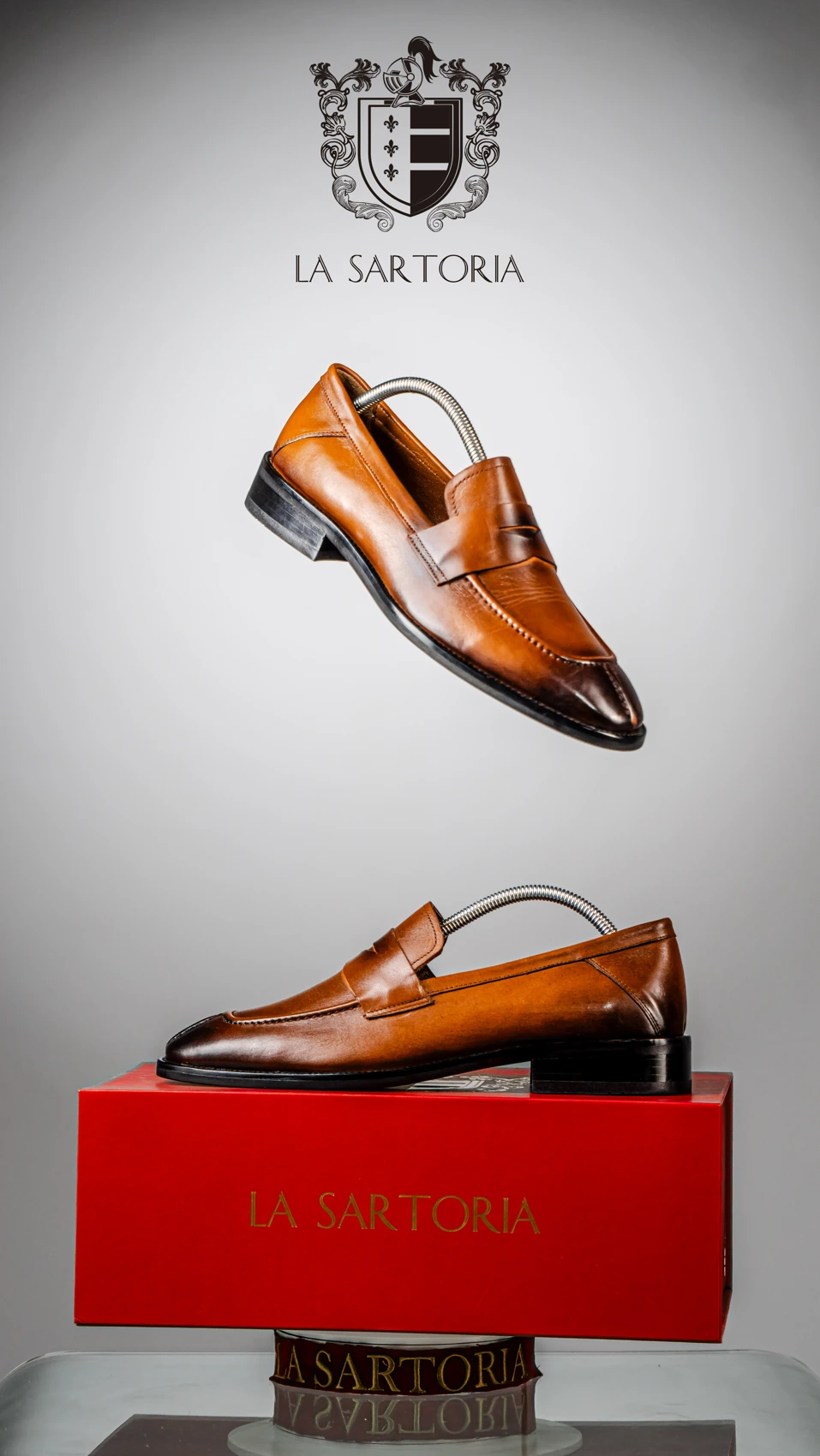
Prediction, in context.
The model estimates which areas may stand out visually. It does not record eyes or involve participants, and cannot determine what a person understands, feels or will buy.

Upload an ad, package, post or photo and see where eyes go first, in seconds. Everything runs here, in your browser.
Your image never leaves your device. Nothing is stored or sent.
The model estimates which areas may stand out visually. It does not record eyes or involve participants, and cannot determine what a person understands, feels or will buy.
Processing happens in your browser. Your image is not uploaded, saved to an account or sent to an external provider. Closing the page discards it.
To answer real attention questions, we design research with participants and measurement technology. Explore NeuroLab
FastSal (SALICON A) estimates spatial saliency in a static image. Each result is normalised separately: this is an exploration tool, not a comparison of percentages between images. Results may reflect training and centre biases. It works with photos and designs, but its response does not validate a campaign.
The first run loads approximately 29 MB of locally hosted model and runtime files. The map is adapted to your image ratio; exports reach up to 1600 px on the longest side. No gaze paths or fixation times are generated.
Model and code: FastSal · Feiyan Hu & Kevin McGuinness · Apache-2.0. Inference runtime: ONNX Runtime Web 1.30.0 · MIT. Licences: FastSal, ONNX Runtime, Red Hat Display.